Entry · Ref 9P05GBW4
Why Advertising Audio Production Matters More Than You Think
- Posted
- 2026-10-28
- Last amended
- 2026-10-28
- Account
- @theadvertisingaudioscope
When I first started working in audio post-production for commercials, I assumed the visuals would always be the star. I was wrong. Over the years, I have watched perfectly good spots fall flat because the audio felt like an afterthought. The difference between a commercial that grabs you and one that fades into the background often comes down to the quality of its advertising audio production. It is not just about recording clean dialogue or picking a background track. It is about crafting a sonic world that supports the message, builds emotion, and makes the brand stick in a listener's memory.
I work out of a small studio in Los Angeles, a city where competition for ears is fierce. Every day, brands fight for attention on Spotify, YouTube, and Netflix. A viewer might be scrolling through their phone while a spot plays. If the audio does not hook them in the first few seconds, the message is lost. That is why I take advertising audio production seriously. It is a discipline that combines technical skill with creative instinct, and it has its own set of tools and workflows that most people never see.
The Tools of the Trade
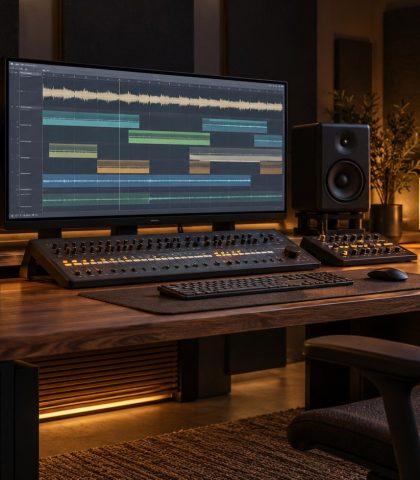
Anyone who has spent time in a post-production studio knows that Pro Tools is the backbone of most sessions. It is not the only digital audio workstation out there, but its editing and mixing capabilities are hard to beat for commercial work. On a typical day, I might start by laying down voiceover tracks recorded through Source-Connect Now, which has largely replaced the old ISDN setups. Back when I started, we used physical ISDN lines to connect talent remotely. Now, Source-Connect Now lets us work with voice actors from anywhere with a stable internet connection. It is faster and more reliable, though I still keep an Audiosphere microphone in the booth for its natural warmth on vocals.
The shift from ISDN to Source-Connect Now is a good example of how the industry evolves. We used to worry about line noise and latency. Now, the challenges are more about file management and maintaining a consistent sound across multiple recording locations. But the core principles of good advertising audio production remain the same: clarity, emotion, and precision.
Voice Casting and the Human Element
One of the most important decisions in any commercial project is voice casting. The right voice can make a spot feel authentic or aspirational. The wrong one can make it sound like a generic announcement. I have worked on campaigns where we auditioned dozens of actors before finding the perfect match. Sometimes that match is an A-list actor whose voice carries instant recognition. Other times it is a lesser-known talent whose tone fits the brand's personality better.
Working with SAG-AFTRA talent adds another layer of consideration. Union rules, session fees, and usage rights all need to be negotiated before anyone steps into the booth. I have seen projects get delayed because the budget did not account for a SAG-AFTRA signatory. It is part of the job, and it teaches you to plan ahead. A good producer knows how to navigate these contracts without letting them slow down the creative process.
Sound Design and Foley
Beyond voiceover, sound design plays a huge role in commercial audio. Foley work - the reproduction of everyday sound effects - can bring a scene to life. A commercial for a luxury car might include the subtle click of a door handle, the smooth hum of an engine, and the crunch of gravel under tires. These sounds are often recorded separately and layered in during the mix. They add a level of detail that viewers may not consciously notice, but they feel it.
Foley is different from using stock sound effects. It is custom-tailored to the picture. I once spent an afternoon recording footsteps on different surfaces - wood, concrete, carpet - because the director wanted the character's walk to feel specific to each room. That kind of attention to detail is what separates professional advertising audio production from amateur work.
Mixing and the Mix Stage
Once all the elements are recorded - voiceover, sound design, music - they come together on the mix stage. This is where the magic happens. The mix stage is a treated room with multiple speakers calibrated for accurate playback. Here, the engineer balances levels, adjusts EQ, adds reverb, and makes sure everything sounds cohesive across different playback systems: phone speakers, car stereos, home theater setups, and earbuds.
Mixing for commercials is different from mixing for film or music. Commercials are short, often thirty seconds or less. Every element has to make an impact quickly. There is no time for slow builds. The mix stage is where you decide whether the voiceover sits slightly above the music or blends into the background. It is where you check that the earcon - that short sonic logo at the end of a spot - cuts through clearly. A good earcon is a powerful part of sonic branding. Think of the Intel bong or the Netflix "ta-dum." Those sounds are instantly recognizable and reinforce brand identity every time they play.

ADR and Dialogue Fixes
Sometimes, a voiceover take is nearly perfect but has a small flaw - a popped "p" or a breath that is too loud. That is where ADR (automated dialogue replacement) comes in. In commercial work, ADR is usually done in a controlled studio environment with the actor watching the picture and matching their performance. It is a precise process. Getting the timing and energy right requires patience and good communication between the director and the talent.
I have done ADR sessions where the actor had to re-record a single line ten times because the original delivery did not match the lip movements on screen. It sounds tedious, but the result is a seamless performance that the audience never questions.
Sonic Branding Across Platforms
Brands today think carefully about their sonic identity. A commercial spot might be the first touchpoint, but the same sonic branding should carry across a brand's entire presence - from their website to their social media videos to their in-store audio. This is where advertising audio production connects to a larger strategy. The same voiceover artist, the same earcon, and the same musical palette can create a consistent experience that builds recognition over time.
I worked on a campaign for a beverage company where we recorded multiple versions of the same spot for different markets. The voiceover changed language and accent, but the music and sound design stayed the same. That consistency helped the brand feel global but local at the same time. It is a balancing act that requires planning and flexibility.
Practical Advice for Producers
If you are producing a commercial and want to get the most out of your audio budget, here are a few things I have learned:
- Invest in good voice casting early. The voice is the emotional anchor of the spot.
- Plan for a mix stage session. Do not try to mix on headphones alone. A calibrated room makes a difference.
- Think about the earcon. A few seconds of branded sound can be worth more than a whole jingle.
- Communicate with your audio team about delivery formats. Different platforms - radio, TV, streaming - have different specs.
These might seem like small details, but they add up. A commercial that sounds polished and intentional stands out in a crowded media landscape.

Why It All Matters
At the end of the day, advertising audio production is about connection. Sound bypasses our logical filters and goes straight to emotion. A well-produced commercial can make you laugh, cry, or reach for your wallet without you fully understanding why. That is the power of good audio. It is not a background element. It is the thread that ties the visuals, the message, and the brand together.
Whether you are working with Pro Tools on a mix stage or coordinating a voiceover session through Source-Connect Now, every decision shapes how the audience experiences the spot. That is why I still love this work. It is technical, creative, and always changing. And when you get it right, the result is something that feels effortless - even though a lot of effort went into making it that way.